
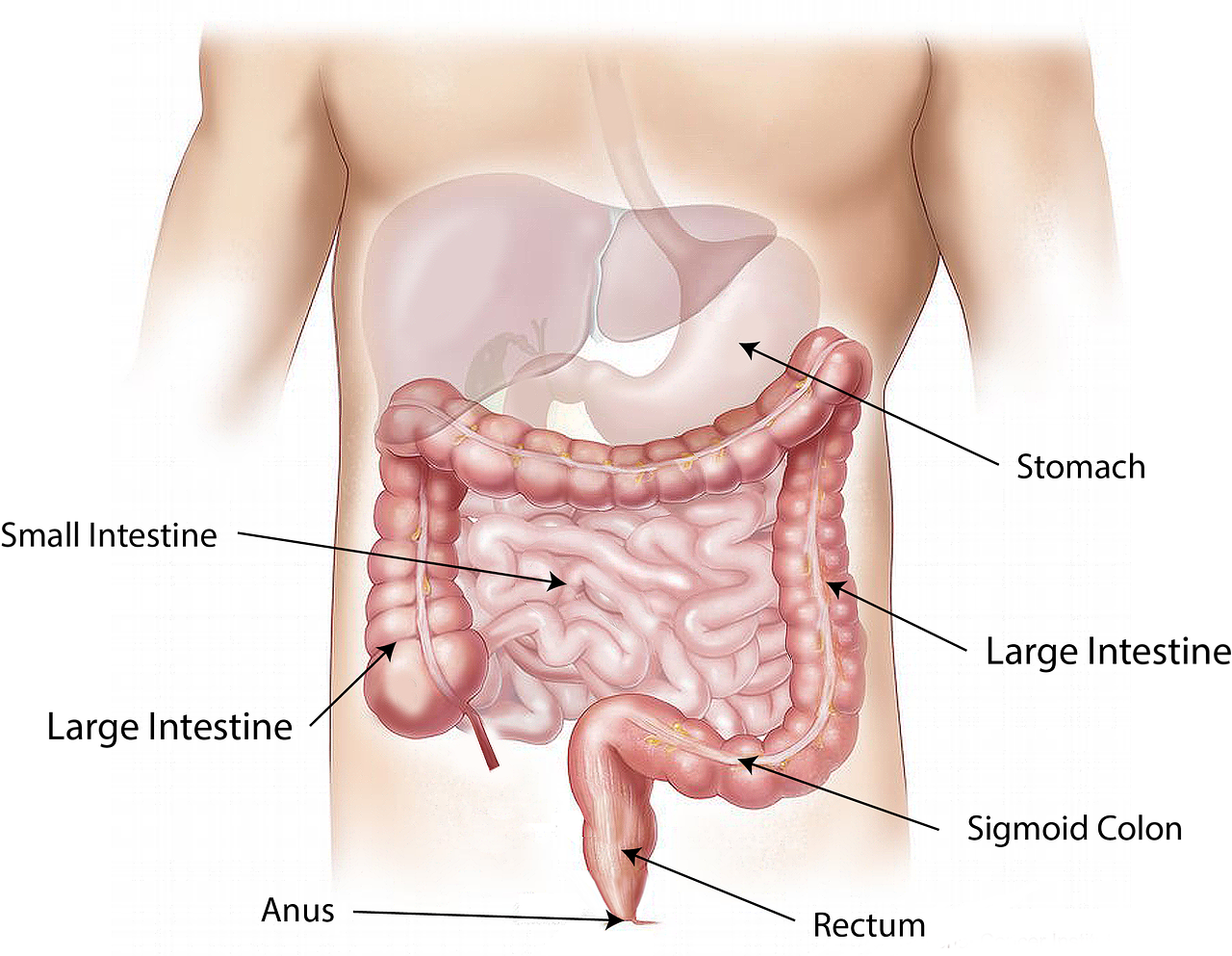
Understanding Colon Cancer: A Guide for You and Your Loved Ones
Learning about a cancer diagnosis can be overwhelming. It’s a lot to process, both for the person who is sick and for their friends and family. This post is a guide to help you understand a bit more about colon cancer, how it’s diagnosed, what the stages mean, and what to expect during treatment. Remember, this information is for general knowledge, and your doctor is the best resource for your specific situation. As in Jeannie’s Journey, while you follow her story, you will learn the importance of obtaining a second opinion and remaining steadfast in your faith on this unimaginable journey.
How is Colon Cancer Detected?
Colon Cancer often happens before symptoms even appear. The most common and effective screening tool is a colonoscopy. They have lowered the recommended age of having a colonoscopy to 45 years old. If you have a family history of colon cancer, then you should have it 10 years earlier than the age of that family member. Jeannie was 48 years old at diagnosis, so her children will need to start having checks by 38 years old. Also, if you are having concerning symptoms, then a GI specialist will often approve an earlier screening.
During a colonoscopy, a doctor uses a thin, flexible tube with a camera to look at the entire colon and rectum. They can find and remove polyps, which are small growths that can sometimes turn into cancer. Let me make this clear… removing polyps is the early prevention for colon cancer! This procedure is done while you are sleeping and you will need to cleanse your system prior to the procedure.
I realize that many choose to do the Cologuard Test instead of a Colonoscopy. A Cologuard Test will not remove polyps (nor detect them) before they turn into cancer. You could have a normal screening with polyps that are developing into cancer, but not enough to show up in test results. This leads to a False Negative result. If you are having symptoms, and have already done the Cologuard Test, your insurance may not cover to have the colonoscopy done for at least a year afterwards.
If a person is experiencing symptoms, such as a change in bowel habits, rectal bleeding, or unexplained weight loss, their doctor may recommend a diagnostic colonoscopy. A biopsy (taking a small tissue sample) is performed to confirm the presence of cancer cells. Other tests, like blood tests and imaging scans (CT, MRI, PET scans), may also be used to determine the extent of the cancer.
What Do the Stages Mean?
After a diagnosis, doctors use a staging system to describe how much cancer is in the body and where it has spread. Staging is a critical step because it helps the medical team determine the best course of treatment and provides an idea of the prognosis. Colon cancer is typically staged from 0 to 4.
- Stage 0: This is the earliest stage, where abnormal cells are found only in the inner lining of the colon. It is highly treatable and often doesn’t require more than surgery to remove the cancerous cells.
- Stage I: The cancer has grown into the deeper layers of the colon wall but has not spread to nearby lymph nodes or other parts of the body.
- Stage II: The cancer has grown through the colon wall but has not spread to the lymph nodes.
- Stage III: The cancer has spread to nearby lymph nodes but has not yet spread to distant organs.
- Stage IV: This is the most advanced stage, meaning the cancer has metastasized (spread) to distant organs, such as the liver or lungs.
Life Expectancy and Survival Rates
Only our Lord knows his plan for us. Everything will happen on His timeline. We rely on Him as He guides us and our doctors as we experience multiple levels of healing. The doctor’s use a general outline to explain “typical” life expectancy and survival rates. They are often discussed in terms of “5-year relative survival rates.” This is a statistic that compares people with a specific type of cancer to people in the general population. It’s important to remember that these are just averages and many factors influence an individual’s outcome. Faith in our Lord and understanding that He is in control is so important. Focus instead that not all statistics fit a precise answer or reality. The following is a standard explanation of survival rates.
These statistics are based on large groups of people and don’t tell the whole story. A person’s age, overall health, and response to treatment all play a significant role. With advances in treatment, these numbers are continually improving.
- Stage I: The 5-year relative survival rate is around 90%.
- Stage II: The 5-year relative survival rate is around 85%.
- Stage III: The 5-year relative survival rate is around 65%.
- Stage IV: The 5-year relative survival rate is around 10-15%.
.
Challenges for Families During Chemotherapy
Chemotherapy is a challenging journey, not just for the patient but for their entire support system. Families often face a number of emotional and practical challenges:
- Physical and Emotional Toll: Patients often experience significant side effects from chemo, including fatigue, nausea, and hair loss (however, the chemotherapy for colon cancer only causes hair thinning and not complete hair loss in most cases). This can be emotionally draining for everyone involved. Caregivers often have to take on new roles and responsibilities, which can be physically and mentally exhausting.
- A “New Normal”: Family routines are disrupted. There are frequent medical appointments, and the patient’s energy levels may be unpredictable. This can create stress and anxiety for everyone, and it’s normal to feel a sense of loss for the life you had before the diagnosis.
- Emotional Roller Coaster: It’s common for both patients and their loved ones to experience a wide range of emotions, including fear, sadness, anger, and even resentment. Acknowledging these feelings and finding healthy ways to cope, like talking to a therapist or joining a support group, is crucial.
- Protecting the Patient: Families must be extra careful to protect the person undergoing chemo from infections due to their weakened immune system. This includes practicing strict hygiene and limiting contact with others who might be sick.
The cancer journey is a marathon, not a sprint. The most important thing is to lean on your support system, communicate openly, and take care of yourself.
